

Category: Electrical Safety
-
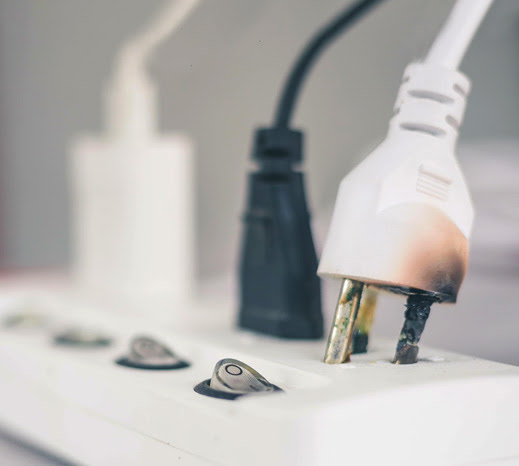
The 5 Most Common Electrical Hazards in Your Home
The electrical systems in your home provide you with comfort and convenience, but they can pose a safety risk if you don’t keep them well maintained. Our home electrical services help homeowners throughout Calgary keep their lights, appliances, and other electrical fixtures working reliably—but you should also learn to recognize potentially dangerous electrical problems for…
-

Common Wiring Issues in Old Homes: 1900s-1950s
Older homes have a certain style and character that can be incredibly endearing, and their lower price tags often make homeownership much more plausible. Although living in these older homes can be a rewarding experience, they also come with some potential issues—including the condition of their electrical wiring. The electrical wiring in homes built in…
-
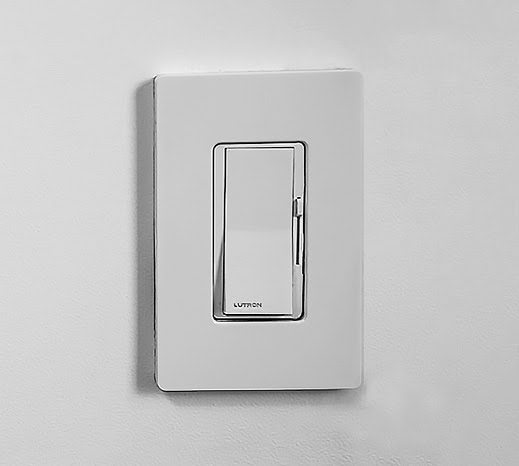
The Different Types of Dimmers (& What Is Best For You)
Using a dimmer is a great way to reduce the amount of electricity your lights use—while giving you more control over the atmosphere in your space. But not all dimmers are the same—in fact, they use different technology based on the kind of lighting you need to dim. We’ve provided beautiful lighting for Calgary homes…
-
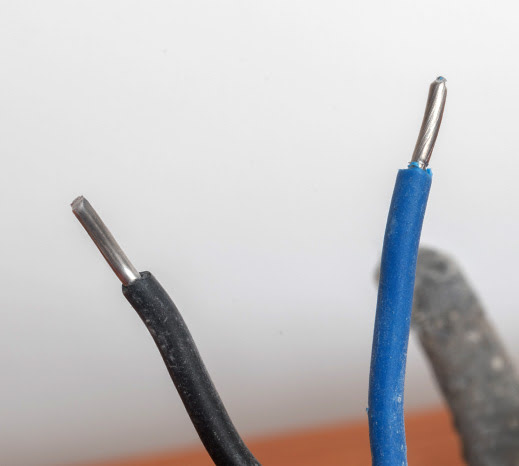
The Ultimate Guide to Aluminum Wiring
Aluminum wiring was never technically made illegal in Alberta, so it still exists in many older homes. But that doesn’t necessarily mean aluminum wiring is ideal—or even safe. Learning more about aluminum wiring and its properties can help you learn what to do if the wires in your home use this common but outdated material.…
-
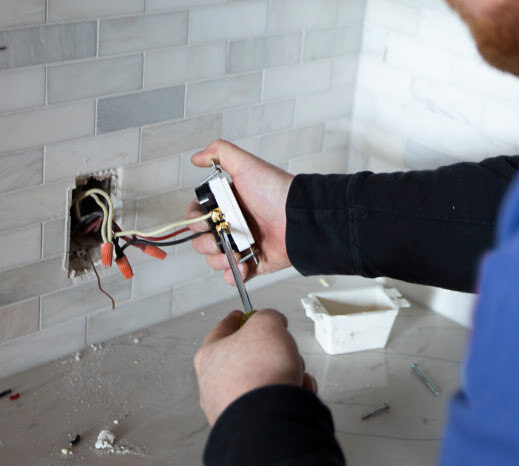
What Separates a Qualified Electrician from a DIY “Expert”?
Not everyone who offers to upgrade your electrical panel or replace your aluminum wiring is necessarily a qualified electrician—and hiring someone who doesn’t have the proper skills or knowledge to do safe electrical work is a risk you should never take. But how can you tell the difference between a reliable electrician and a DIY…
-
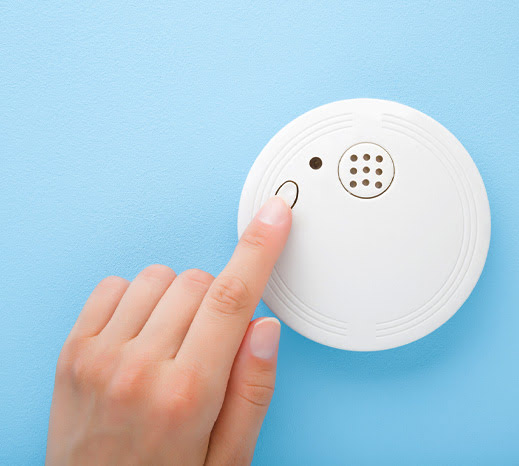
Smoke and CO Detectors: They Save Lives!
Smoke and carbon monoxide inhalation can be deadly. Over 300 deaths and 200 hospitalizations occur in Canada each year as the result of carbon monoxide poisoning, and one in every seven unintentional fire-related deaths in residential buildings is due to the absence of a working smoke alarm. Those numbers are scary, but they illustrate an…
-
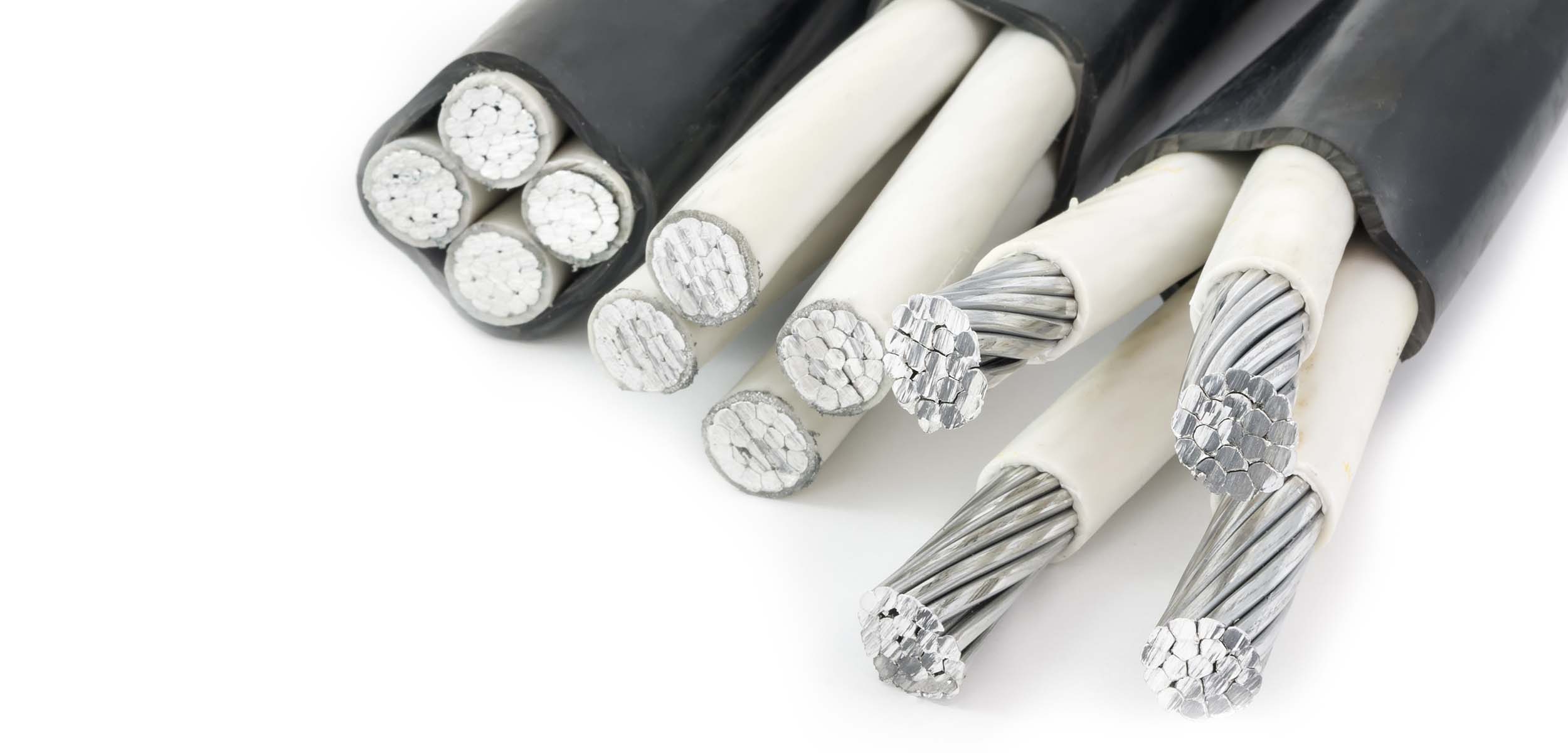
Is Aluminum Electrical Wiring Safe?
Many different materials go into building a home, and as time goes by, technology and standard practices are always evolving. When it comes to electrical wiring, different conductors perform on different levels. In today’s new home construction, copper is king when it comes to electrical wiring. Aluminum wiring can provide a path for electrical current…
-

Why Do Electrical Outlets Stop Working?
For most people, the intricate maze of wires behind their outlets is a mystery. We just expect to plug in our devices and magically have them work. So when your phone doesn’t charge, your alarm doesn’t go off, or you can’t get your morning coffee fix, it’s important to know the reasons why. And important…
-
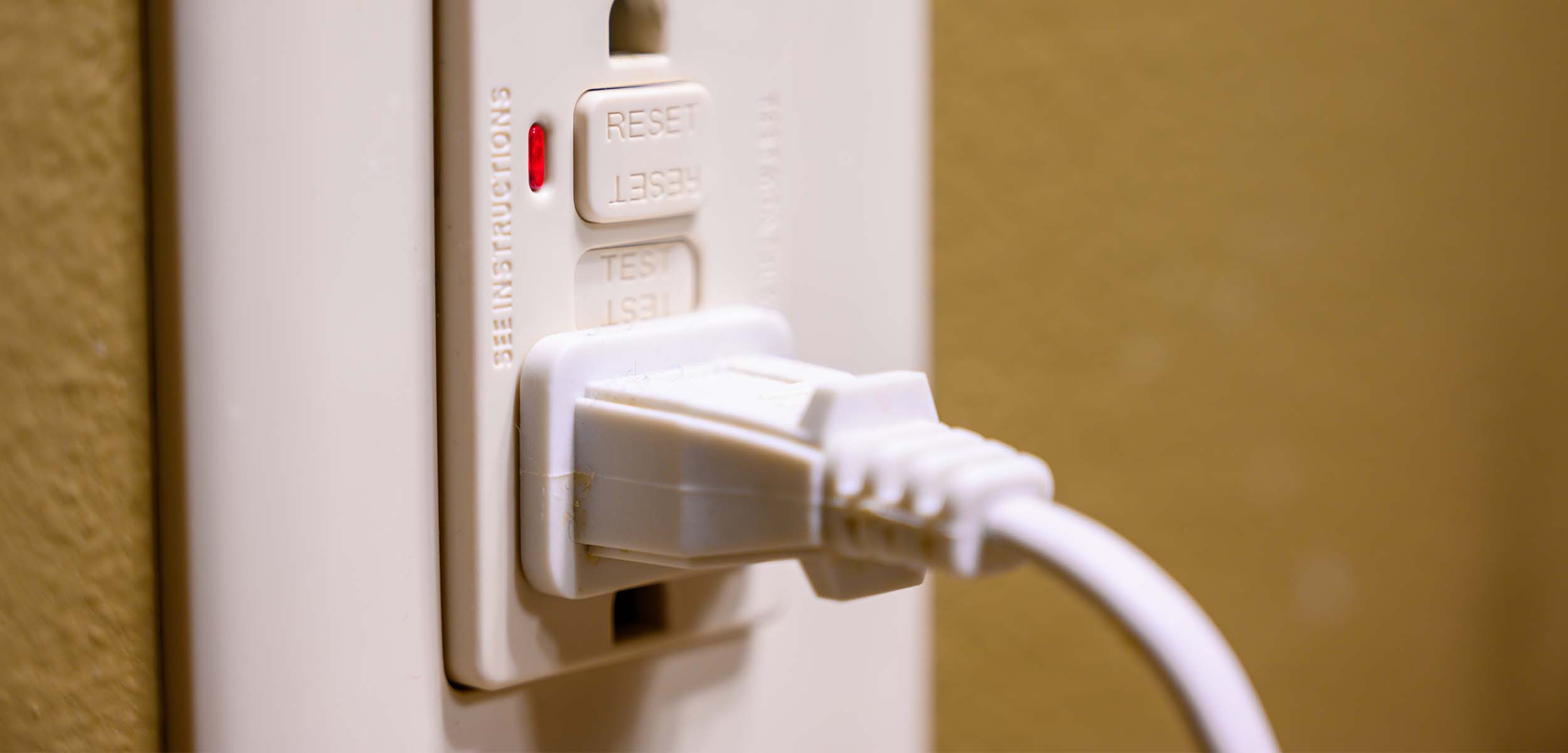
How Do I Ground a 3-Prong Outlet?
Ungrounded outlets in your home can cause big problems. This includes damaging appliances, electrical shock, and potentially even fires. Grounding your 3-prong outlets properly can ensure safety and efficiency within your home. There are different ways to spot an ungrounded outlet, which we’ll discuss in this blog. Properly diagnosing, repairing, and testing outlets is best…
-
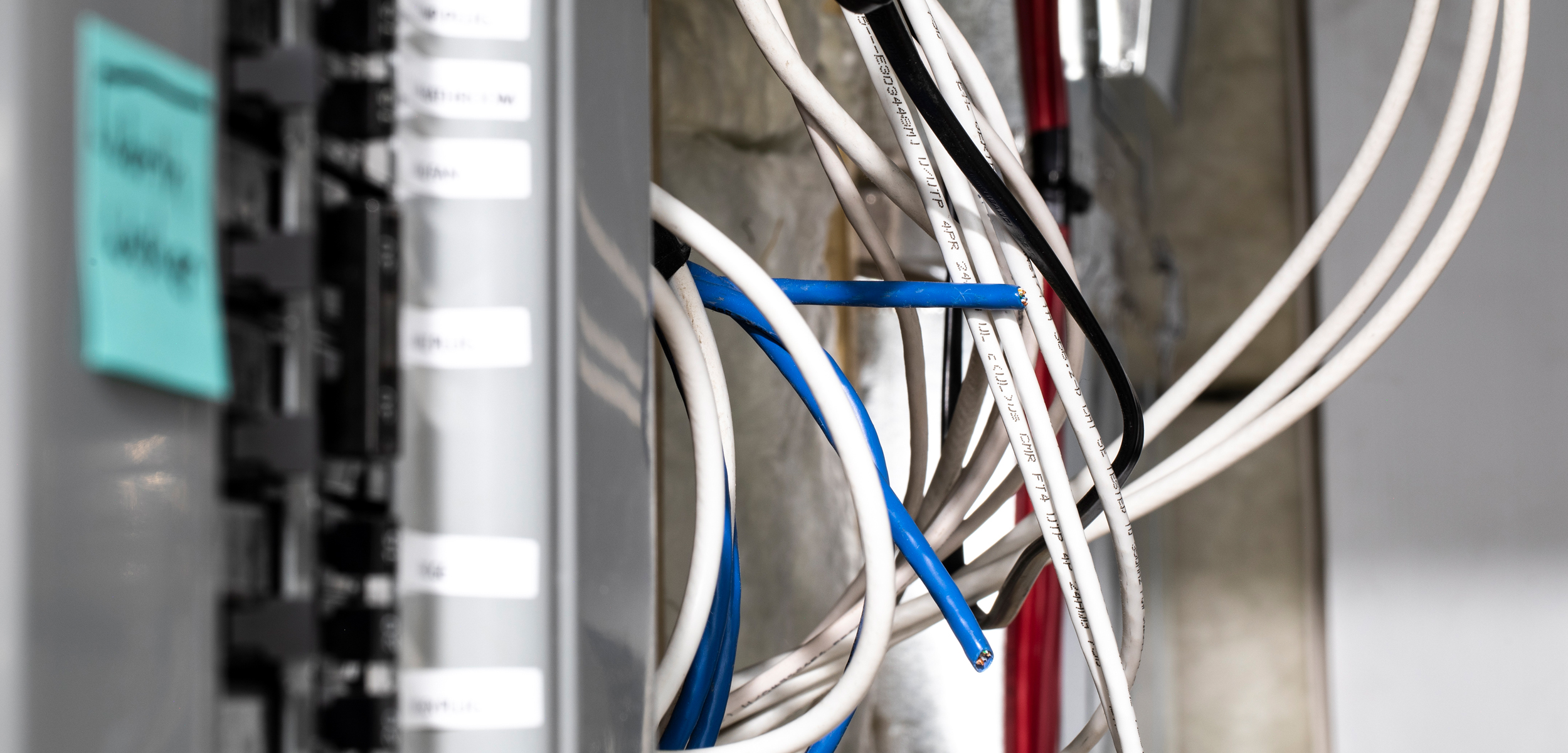
Can I Do My Own Home Electrical Wiring?
Whether you’re upgrading your home’s lighting, doing a full-on renovation, or adding a hot tub to the backyard, you’re going to need to modify the electrical wiring. For many jobs, the choice to call a professional electrician is your own. Although some electrical tasks always require a certified electrical expert. If you are planning to…